
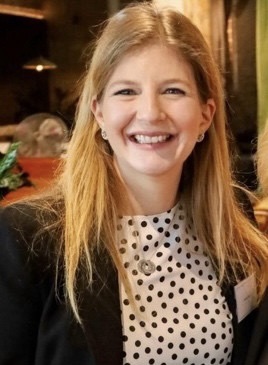
Meet the inspiring and successful Audrey Smith, a part of our BWB community. Audrey is the founder of Flourish HR (https://flourishhr.au/ ), a values-led consultancy delivering strategic outsourced HR solutions and workplace wellbeing services across Australia. With over 25 years of cross-sector experience spanning corporate, government, not-for-profit, security, manufacturing, and oil and gas industries, Audrey has built a reputation as a trusted HR partner who puts people at the heart of every workplace interaction. Her practice is grounded in the principles of integrity, empathy, collaboration, and transparency; values that shape every solution she brings to her clients. A former NSW Clinical Manager at Davidson Trahaire Corpsych, Audrey also brings a rare depth of clinical insight to her work, having delivered over 100 workplace training sessions and led critical response projects, including support during the Martin Place siege.
At Flourish HR, Audrey partners with small and growing businesses to build thriving, psychologically safe workplaces through a comprehensive suite of services; from HR management and employee relations advisory to talent development, leadership coaching, and mental health training. She is passionate about helping individuals and organisations flourish through proactive people support, whether that means designing bespoke wellbeing strategies grounded in psychological research, guiding leaders through complex restructures, or building the resilience of teams facing burnout and change.
We recently enjoyed interviewing her:
Q. You have worked across corporate, government, and not-for-profit sectors over 25+ years, what was the defining moment that made you decide to launch Flourish HR?
A. After more than two decades in HR, I kept seeing the same gap. Businesses were compliant, but their people were not truly thriving. There was often a disconnect between performance expectations and genuine care for wellbeing.
Over time, I saw how much stronger outcomes were when leaders led with empathy, clarity, and intention. I wanted to work with businesses earlier, helping them build the right foundations from the start.
That is why Flourish HR exists, to support businesses not just to function or survive, but to truly flourish, with people at the centre of sustainable growth.
Q. Mental health and HR are often treated as separate conversations in the workplace. How do you bring them together, and why do you think businesses have been slow to integrate the two?
A. HR and mental health are deeply connected. Every decision about leadership, communication, and performance impacts how people feel at work.
I focus on embedding wellbeing into everyday practices, through psychologically safe leadership, clear expectations, and manageable workloads, rather than treating it as a separate initiative.
Many businesses have been slow to integrate the two because mental health can feel complex or outside their role. That is changing, as more leaders see the direct impact on engagement, retention, and performance.
Q. You were involved in supporting people during the Martin Place siege, that is an extraordinary experience. What did that teach you about resilience and the role HR plays in crisis?
A. It reinforced how important the human side of HR is in a crisis. People remember how they were supported and communicated with, not just the process.
Resilience is not about pushing through, it is about connection, safety, and support. HR plays a key role in creating that environment.
Strong leadership, clear communication, and genuine care make a significant difference in how people and organisations navigate difficult moments.
Q. Burnout is at an all-time high for women in business. What are the biggest mistakes you see leaders making when it comes to their people’s wellbeing and what is the fix?
A. A common mistake is focusing on surface level solutions like perks, without addressing root causes.
Burnout is usually driven by workload, unclear expectations, and lack of boundaries, not a lack of resilience.
The fix is structural. Leaders need to set realistic expectations, prioritise effectively, role model boundaries, and create safe environments for people to speak up. It is about making work sustainable.
Q. If a small business owner is reading this and thinks HR is something they will deal with later, what would you say to them?
A. HR is not just about contracts and compliance, it is about how your business actually operates day to day through your people.
Early on, it is about getting the fundamentals right. Hiring the right people, setting clear expectations, having simple but solid contracts and policies, and creating a positive, respectful culture from the start. It is also about managing performance early, before small issues become bigger ones. From a Flourish HR perspective, it is equally about building wellbeing into the way you work, through realistic workloads, clear communication, and supportive leadership. Getting these foundations right early saves time, reduces risk, and creates a team that is engaged, accountable, and set up to grow with your business.

