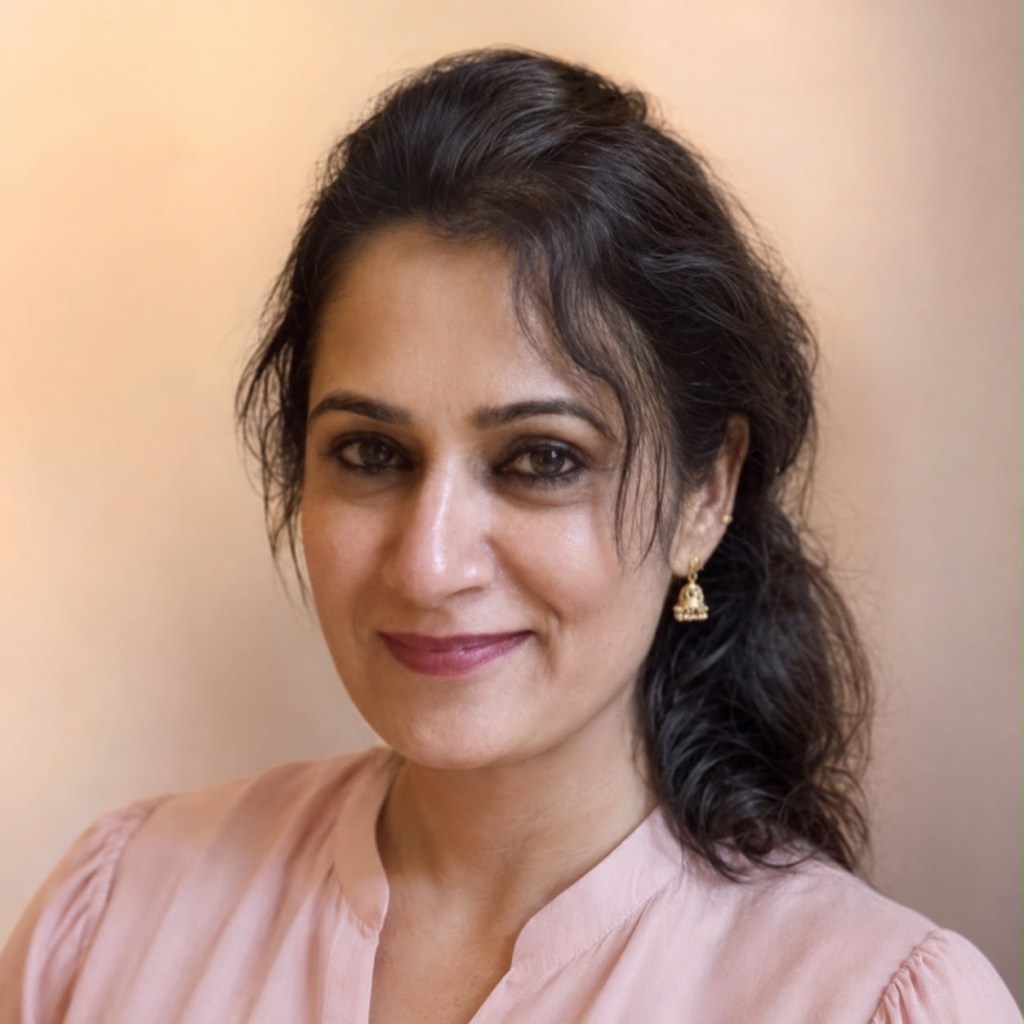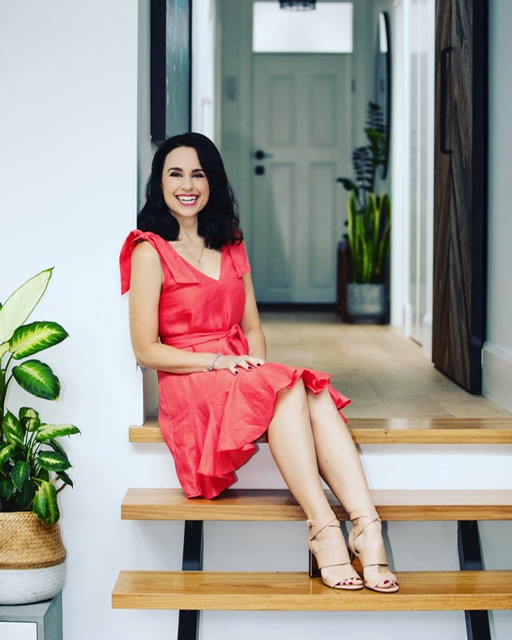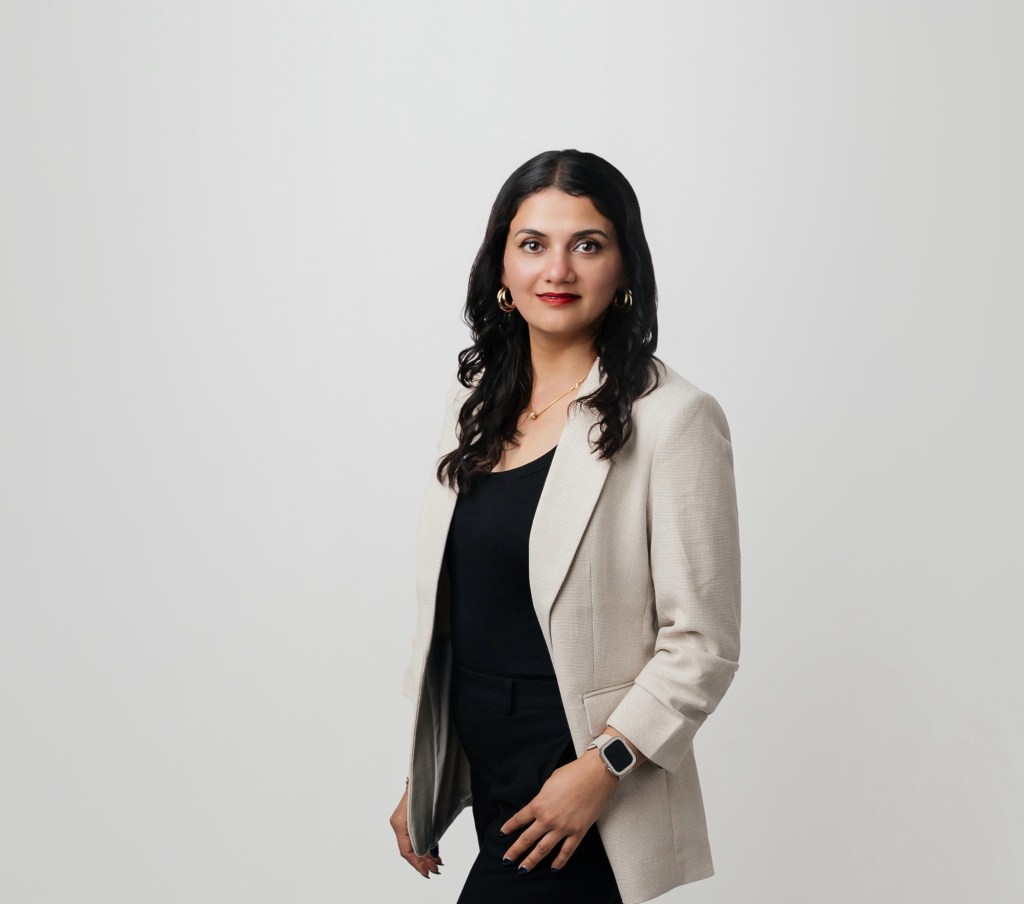
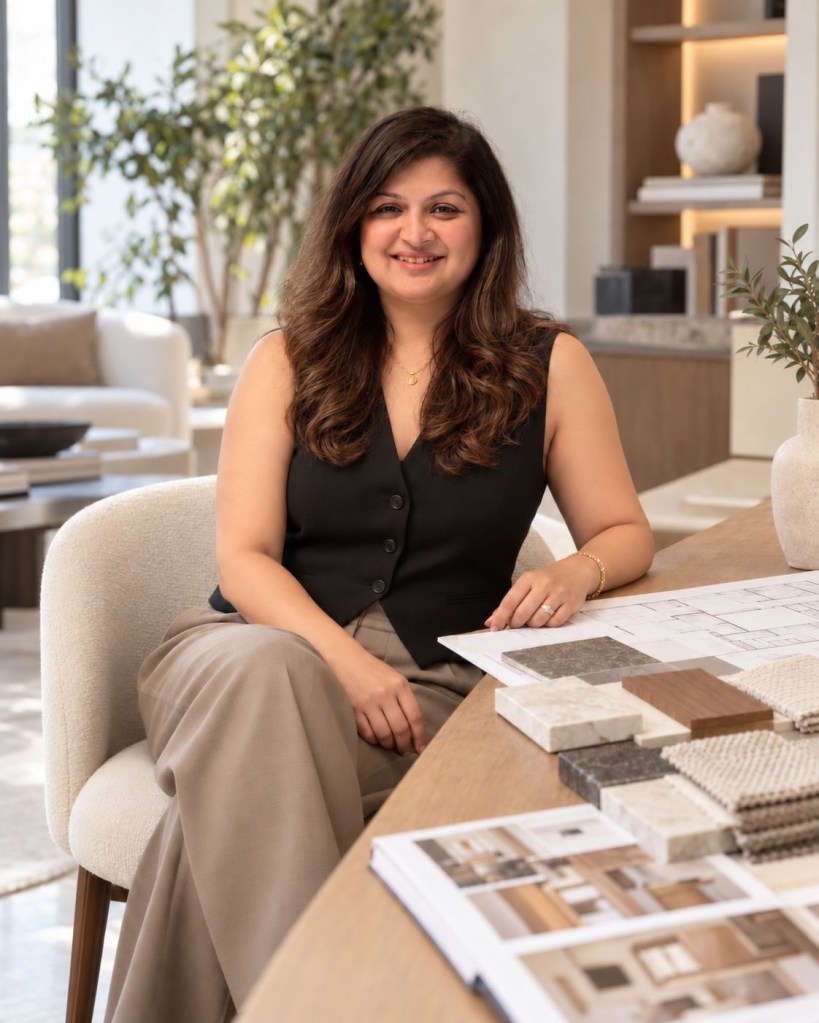
Meet our member the inspiring and successful Meha Shah, owner of Cysha Design Studio (https://cysha.com.au).
“I am Meha from Cysha Design Studio. We design premium homes and renovations across NSW and manage the full process for our clients, from concept through council approval to fully documented, build-ready plans.
Building or renovating a home can feel overwhelming when you’re not sure where to start. That’s where we come in.
At Cysha Design Studio, we help bring your ideas to life from the initial concept and feasibility assessment through to detailed documentation and approvals.
-Custom Home Building Design
– Interior Design
– Joinery Drawings
– 3D Visualisation
– Landscape Design
– Renovations & Extensions Design
– Construction Documentation
– CDC/DA & CC/OC Approvals
Want to start planning your project? Book a consultation with our team today.
0433685543
info@cysha.com.au” – Meha.
We recently enjoyed interviewing her.
Q: At Cysha Design Studio, you handle the full lifecycle, from initial concept and 3D visualisation through to DA/CDC approvals and construction documentation. How does having a single, end-to-end design partner simplify the process for homeowners and ensure their original vision isn’t lost in translation?
A: Having one design partner involved throughout the process creates continuity. The decisions made at the beginning — how a family wants to live, how the spaces should connect and what the overall design should feel like — continue to inform the project as it becomes more detailed.
There are so many interconnected decisions in a home. The layout affects the joinery, the joinery affects lighting and electrical planning, material selections influence detailing, and eventually the furniture and finishing layers need to work with everything that has come before them. When these elements are considered together, rather than independently, the result is much more cohesive.
3D visualisation is a particularly important part of my process because it allows clients to experience the design before it is built. They can understand the proportions, materials, joinery and relationship between spaces and make informed decisions much earlier.
As the project progresses into approvals, technical documentation and construction, those original ideas are translated into increasingly detailed information. That continuity helps reduce the gaps that can occur when a concept passes between multiple parties, while also giving clients one consistent design direction throughout the journey.
Q: When undertaking custom builds, extensions, or major renovations across NSW, what are the most common spatial or functional challenges clients face today, and how do custom joinery and integrated interior-landscape design help solve them?
A: One of the most common challenges I see is not necessarily a lack of space, but space that doesn’t properly support the way a family lives.
Homes need to do a lot today. Kitchens are places to cook, gather and entertain; living spaces often need to accommodate different activities at the same time; and storage needs are significant, but nobody wants a home to feel dominated by storage.
I spend a lot of time understanding those everyday patterns before resolving a layout. Sometimes a relatively small planning change can make a substantial difference to circulation, natural light or the way spaces connect.
Custom joinery is invaluable because it allows us to use space very precisely. Instead of adding storage as an afterthought, it can become part of the architecture of the room — integrating storage, display, work areas or entertainment requirements while maintaining a clean and cohesive design.
The relationship between inside and outside is also important, particularly in Sydney. Considering views, openings, sightlines, materials and how the interior connects with landscaped areas can make both spaces feel more generous. I see those relationships as part of the overall experience of the home rather than separate design decisions.
Q: Building or renovating is a major financial and emotional investment, and many people feel stuck before they even begin. What key steps or feasibility assessments do you take clients through in the early stages to give them total confidence in their budget and build outcome?
A: The beginning of a project is really about replacing uncertainty with information.
I start by understanding what the clients want to achieve, how they live now, what isn’t working and what their priorities are. We then look at the existing property, the scope of work, planning and site considerations, spatial possibilities and the level of investment required.
From there, I like to resolve the larger decisions before moving into the finer details. Space planning comes first, followed by the development of the design, materials, joinery and other key elements.
3D visualisation plays an important role because clients can actually see the direction we are proposing rather than trying to interpret everything from two-dimensional drawings. It often brings clarity to decisions that can otherwise feel quite abstract.
Detailed documentation, specifications and schedules then give the project a clear framework for pricing and construction.
I’m careful not to describe this as guaranteeing a budget or an outcome, because construction involves many external factors. What good design and preparation can do is identify issues earlier, reduce ambiguity and give clients much better information on which to base their decisions. That preparation is where a lot of confidence comes from.
Q: Every client brings a unique lifestyle and story to the table. What is your philosophy on creating custom homes that feel deeply personal and elevated, while still standing up to the practical demands of everyday living?
A: My starting point is always the people who are going to live in the home. I don’t want clients to walk into their finished home and feel as though they have stepped into someone else’s idea of how they should live.
I want to understand their routines, what they value, what they are drawn to and even the small things that matter to them day to day. Then my role as a designer is to interpret that and bring cohesion, proportion and a considered design direction to it.
For me, practical and beautiful are not competing ideas. A beautifully detailed kitchen still needs to work when the family is rushing in the morning. Joinery needs to look resolved but also accommodate what actually needs to be stored. Materials need to create the right atmosphere while being appropriate for how the space will be used.
The same thinking continues into furniture, lighting, rugs, window furnishings, art and styling. These aren’t simply finishing touches — they are part of creating a complete home.
Ultimately, I think the most successful homes feel personal without feeling contrived. They reflect the people living there, but every element has been considered in relation to the whole. That balance between individuality, function and a strong design language is what I aim for in every Cysha project.