Interview with health coach Csilla Love

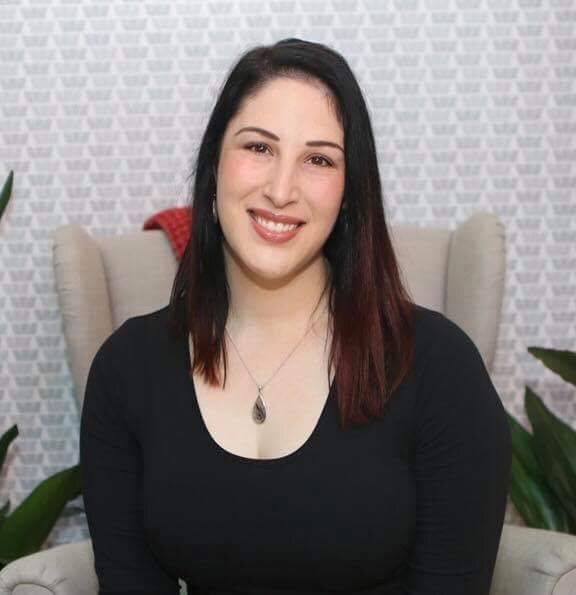
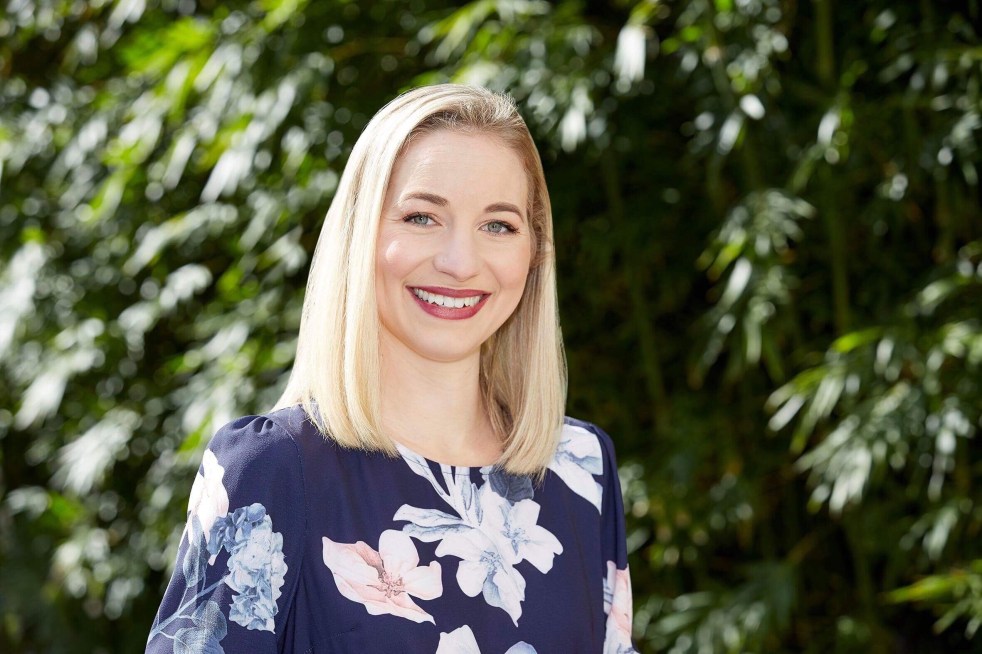
Meet our featured beauty with brains Csilla Love, a health coach based in Sydney, Australia. She is passionate about helping people live a healthier lifestyle inside and out. Here is an interview with her where she answers some questions about health and the importance of nutritional cleansing.

1. What is the definition of health and how does our environment play a role on our health?

Simply defined, health is the absence of disease. It is a combination of balance and freedom. Balance within your body so that you have the freedom to do what you want to do. The ways in which we can have good health is to eat whole foods, move our bodies, drink water, consciously breathe at least 100 breaths a day, sleep between 7-8 hours every night and eliminate toxins from our organs. Good health builds internal resistance so that the external stresses of life don’t seem like such a big deal to the body and mind. It doesn’t matter how we shake it, our environment is filled with toxins. Pollution, processed foods, skincare, cosmetics, the sun, lifestyle choices such as smoking and drinking, stress and a lack of sleep all contribute to disease. Our bodies are designed to heal themselves IF all our internal organs are working together harmoniously. But what happens to our bodies when there are just too many toxins to heal? Some signs of toxicity to look out for include: low energy & fatigue, mood swings, anxiety, poor sleep, brain fog, depression, abdominal bleeding, excess weight, skin problems, high cholesterol, Alzheimer’s, asthma, cancer and auto-immune disorders. Gut health is critical! An astounding 80% of people have gut imbalances. It’s not surprising that more and more research is linking gut health to mental health. 90% of serotonin and 50% of dopamine is created in the gut. Low serotonin levels are linked to depression and anxiety.

2. How do we eliminate toxicity?

Firstly, let’s talk about our elimination organs. We have 5 organs that aid in eliminating toxins from our bodies – kidneys, lungs, liver, gastrointestinal tract and skin (your skin is your largest elimination organ so it is crucial to be using skincare that is without toxins and harsh chemicals. It takes 26 seconds for products to be absorbed into your bloodstream). Consider your body to be like a bathtub where the drains are your elimination organs. When you clog up the drains with “life” (toxins/products) that don’t support your health, the drain is blocked and the bathtub overflows. What do you think you need to do to unclog your bathtub? Yep, you got it – pull the plug and clean it out. So how can you do that to your body? You need to do a nutritional cleansing detox. The more you load up your body and don’t regularly detox it the more stress you put on it. If your elimination organs are working effectively together then your body can naturally detox. That’s what it’s designed to do! Excess toxins, however, can put your body out of balance.

3. What is a nutritional rebalancing detox?

It is important to outline how fat is created in the body. Fat is a protective mechanism that the body creates to protect itself from toxins and impurities. Excess toxins = unwanted weight. It is also important to note that a nutritional rebalancing program is NOT a diet. Diet’s only work in the short term. Often calorie cutting and/or excessive exercising is used which results in fat loss BUT also results in an increase of the body’s toxic density. The body goes into toxic overload and triggers the need to create more fat, therefore, weight is regained. A cellular cleansing program removes the toxins from the body, creates lean muscle and melts away excess fat. Nutritional balance keeps the body naturally lean by reprograming your organs to work effectively together while cleansing manages the toxins in your system. Depending on how many toxins are present will determine how long it’ll take to cleanse the body. A nutritional rebalancing detox is a long term solution and not a rapid weight loss program. Many people that have done our 30 days to healthy living program have achieved their weight loss goals. Whilst weight loss is possible it’s not the only focus of the program. Our main focus is to help people create a healthy lifestyle and develop a better understanding of healthy eating so that they have more energy, create a platform for excellent health and ultimately feel happier in who they are. At the core of our program is whole food clean eating. Whilst this concept is not new, what is incredibly powerful is that we have products and resources you need to ensure your success. Food is thy medicine, and we show you how to eat right, so you are the best version of you.

4. How does a 30 days to healthy living detox work? What do I need to do?

The basis of the program is to eliminate acidic, allergenic, inflammatory triggering and addictive foods such as dairy, gluten, soy, refined sugar, alcohol and coffee. It focuses on: increasing our nutrient intake by eating clean whole foods; good gut health so that we can absorb our food effectively (the old saying “You are what you eat” needs to be replaced with “You are what you absorb!”); balancing blood sugar levels to boost the metabolism and balance PH levels; exercise, sleep and mindfulness. The use of Arbonne products is critical as these products provide the extra nutrients that we cannot get enough of through our diet alone. This in turn aids in the functioning of the body’s systems. Most of us are too busy to make 3-4 perfect meals each day. The products are “easy buttons” or “fast foods” to make sure we’re getting the proper nutrients in the proper proportions at each meal. These products are what make the program do-able for most of us and give us the greatest chance of success reaching our goals. Arbonne’s products follow the philosophy of our Healthy Living and Beyond Program. They provide you with a holistic approach for internal and external health. The products are pure, safe and beneficial and are botanically based, certified vegan and formulated without gluten, dairy, soy, artificial sugars and flavours.

Some people will sit and think, whilst others will jump in and take action to get their health back on track immediately. If you are the person that wants to improve their health, then contact me and I can help you. Saying YES to the program will get you started on the path to feeling your healthy, happy, true self again.

For more information on Csilla Love and the 30 days to healthy living program visit http://csillalove.arbonne.com or contact her directly via email: csilla@arbonnenaturals.com or by phone: 0414 751 542.
Interview with speech pathologist Sonia Gugnani

IMG_1738.PNG

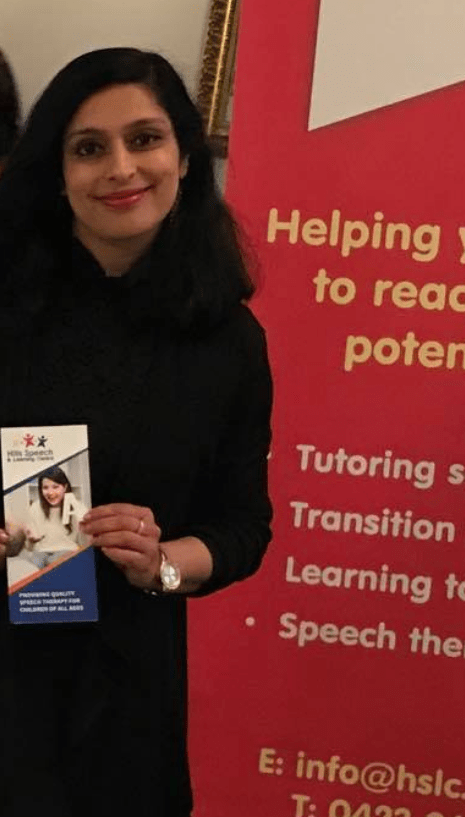
Meet our featured beauty with brains Sonia Sethi Gugnani, a speech pathologist based in Sydney, Australia. Here is her story:

“Hi, I’m Sonia, mother of two beautiful girls and wife of a very caring and supportive husband. I get all my strength and energy from my family. I have been working as a speech pathologist for over 15 years in New Zealand and Australia, and recently I’ve opened my own tutoring and speech pathology services in Epping. I’m Indian by background but moved overseas almost 17 years ago—that being said, I’m very much in touch with my culture and the Indian community in Sydney. In my spare time, you can find me cooking up a storm or going out for nice walks in nature.

I graduated with an honours degree in psychology and later went on to attain my masters in speech pathology. Over my career, I’ve worked extensively with children of all ages and abilities, and in various settings, predominantly in not-for-profit centres, but also in private practices and recently my own clinic. I’m also a public speaker and have run a number of workshops, webinars and seminars.

I opened my clinic with a vision: to empower children and their families to strive for excellence and reach their potential, their personal goals, and discover their strengths. To me, education is about enjoying a life-long experience of formal and informal learning.”

We asked her some questions on speech, language and communication.

1. According to you, what are the major
causes of speech problems in children?

There is often no one cause! Speech problems are multifaceted and arise as a combination of many different factors. Children develop at different paces and quite often what appears to be a speech problem is just a child being a late talker—although if you’re concerned, definitely speak to a speech pathologist and get it checked out. Some common reasons children may have speech delays or difficulties can include limited exposure to language during early development, selective mutism, bilingualism/multilingualism, dyspraxia (motor planning difficulties), underlying syndromes and disabilities. If you’re concerned about your child’s speech development relative to their age, feel free to check out this link. http://www.hillsspeechlearningcentre.com.au/speech-pathology/ages-and-stages/

2. Is there a difference between speech, language and communication?

There’s a bit of a difference, but they all go hand in hand. Communication is not just words, but includes all the other non-verbal ways in which we get our message across e.g. signs, gestures, facial expressions, visuals etc. Speech is the way in which sounds are articulated and is a complex process involving many regions of the brain, throat, mouth and oral muscles. Language is a way of expression through words, phrases and sentences.

3. What are the best ways to encourage a child’s language development?

Communicate! Talking to your child, spending time with them, exposing them to different words, sounds, gestures and books all are proven strategies to help them with their language. Follow your child’s lead and interests to model language through day-to-day routine activities. Children learn best through spaced repetition and songs.

4. Can speech/language problems be prevented?

To a very large extent, yes. First and foremost, make sure your child’s hearing is tested from a young age. If you’re ever in doubt about your child’s language development, do see a professional (e.g. speech pathologist, or GP who can refer you to one) to get a proper assessment of your child’s communication skills. Early intervention solves a lot of problems or more importantly, prevents them from happening. The good news is that you don’t have to spend a lot of money. GP care plans, your health insurance and NDIS can all help out.

Interview with new mum Suprava Sachdeva

IMG_1611.JPG

Meet our featured beauty with brains Suprava Nayak Sachdeva, a new mum, HR consultant and social worker, based in Sydney (Australia). Here is her story:

“I am Suprava, mum to a cheeky naughty boy and wife to a very supportive husband. I moved to Sydney from India around two years ago but it seems like I have been here for ages, thanks to my family and friends.
I’m of mix culture, Oriya (belonging to the Indian state of Odisha) by birth but born and raised in Mumbai (city in the Indian state of Maharashtra), and fell in love and got married to a Punjabi (belonging to the Indian state of Punjab) guy.
I did my MBA in HR and worked here in the telecom industry. I learnt many personnel aspects like dealing with people’s mindset, etiquette, cultures, values, beliefs etc. I have also done a Diploma in ‘Early Childhood’. I give free counselling to people who need it. I love coffee dates with my friends, shopping, travelling etc. I have participated in many events and festivals here. I was the winner of the ‘Bride of Australia’ pageant in 2016. I recently started a Ladies club called S.H.E (Society of Harmony & Empowerment) which organises events and is involved in social causes.
I feel that being yourself is one of the hardest things because it’s scary. You always wonder whether you’ll be accepted for who you really are. ‘Inside Out’ – that’s my motto about life. I don’t think you ever succeed at trying to be anyone else but who you truly are.

We asked her some questions on the challenges faced by new mums.

1. What is your advice to new mums who often get depressed and anxious trying to do several things at once like caring for the baby, keeping the house clean, losing weight etc?

My advice to all new mums is KISS – Keep it simple and sweet. The most important thing is to focus on the positive, to see your baby grow. Enjoy how much they are attached to you and how they need your care and affection. Think how their cute smile melts your heart and how they depend on you for everything like feeding, nappy change etc. Its important to focus on the fact that no one can substitute you (the mother) in your baby’s life.
Now talking about household chores, gadgets are there to help you so take your time and do it one by one.
Stress can become a barrier between you and your baby and can prevent bonding between you both so try not to let it affect you too much.
Regarding losing weight, first 3-4 months try to eat healthy and go for walks with your baby. Walking is the best exercise to lose weight initially. Then once your baby is a bit more grown up, you can hit the gym. Go for coffee with friends, stroll in a park or near lakes, do yoga or meditate for a few minutes. Remember you are the best no matter what.

2. New mums often don’t have much time for fashion and makeup. Do you have any quick and easy fashion and beauty tips for them?

Doing a full face makeup is a Big No as you won’t have the time to do nor maintain it. Use simple products which are easy to put on like a good primer, cushion foundation and a nude coloured lipstick. Rub a little Vaseline near your cheek bones, on the tip of your nose and on your collar bone to accentuate them. Put on a nice perfume which will make you feel good.

3. The challenges of bringing up a baby often cause friction between a couple. How do you think they can be minimised and resolved?

Yes that does happen as the new addition to the family takes most of our time, energy and even bed. Share the responsibilities and do small things together like the laundry or changing the bedsheets or feeding the baby. Try to cook food and eat together. Understand that each of you is going through a change so respect that. Both of you will get tired equally. Sometimes a little gesture like saying “I Love You” to your partner works wonders.

4. New mums are often conscious of their curves and tummies. Any dressing advice for them?

You are a mum and that gives you the right to shop even more now. You have got the curves and the marks of a lioness, so just flaunt it. Go for spa, manicure and hair treatment. Keep your clothes simple and convenient as you might need to undress during breastfeeding. A good dress, good sensible shoes and a nappy bag is enough.
I generally like to wear a knee length dress or a skater dress or maxi gowns depending on the occasion and weather. Good shoes are a must as after pregnancy you tend to get swollen feet or tired legs. If you feel like wearing heels, wedges or platforms are good. comfort should be your topmost priority. Carry a stylish nappy bag. Walk with your chin up and be confident. Remember being simple is the ultimate sophistication.

Interview with Sydney doula (birth companion) Amanda Bernstein

IMG_1530.JPG

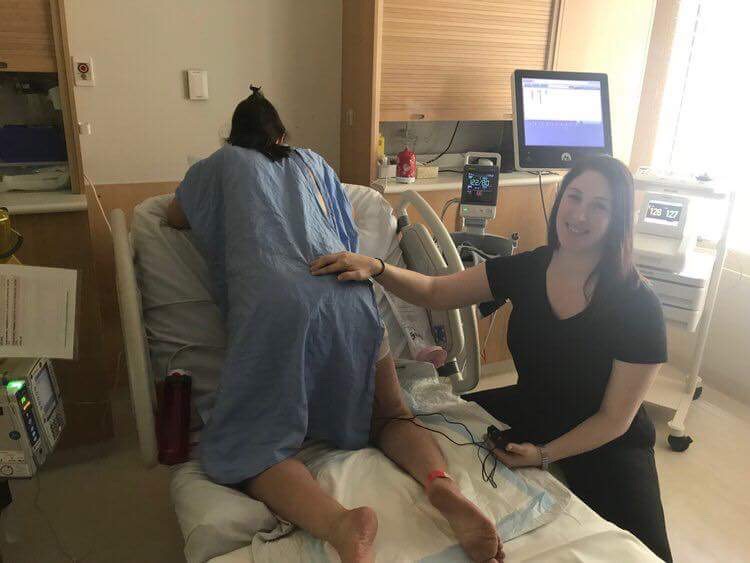
Meet our featured beauty with brains Amanda Bernstein. She is a Doula, Ka Huna massage therapist and Pilates instructor based in Sydney, Australia. She helps to support and empower women and couples on their journey to meet their baby. She’s also a mum of two, and it’s her personal experience that has driven her down this path to help other women.

As the owner of Essential Me and Pilates With Purpose, we asked Amanda some questions.

1. What is a Doula?

The word “Doula” is a Greek word that means “woman’s servant”. A Doula is a trained and experienced support person, and does not replace a midwife or a doctor. Doulas can attend your birth at a private or public hospital, and even at your home. A Doula “mothers the mother” and provides continuity of care with physical and emotional support during pregnancy, birth and the postnatal period. I offer this service to you from a uniquely holistic perspective, incorporating my extensive Doula, Ka Huna and Pilates training and expertise.

2. How will you as a Doula help a mother to be?

As your Doula, I’ll be here to support you by providing information around your birthing choices and discussing your concerns, queries and fears. During your birth I’m there for you, to help with massage, position suggestions, breathing and sounding techniques, aromatherapy, homeopathy, photography and more – ultimately being there so you and your partner both feel continuously cared for and supported. After the birth we debrief your birth and I help further with tips and demonstrations for settling and wrapping your baby, suggestions for breast or bottle feeding, and can even cook you a meal or fold a load of laundry. You may just need me to simply hold your baby so you can shower!

3. How do you most often support women during labour?

Often, having a woman present throughout the labour can make a huge difference. As a Doula, my clients have already built a relationship with me and the continuity of care travels through their pregnancy, labour and postnatal period. Often in a hospital setting, there are changing shifts of midwives and obstetricians so the simple continuous presence can really allow the birthing women to feel rested, safe and reassured that she’s not alone and that all is well. I offer massage, acupressure point techniques, words of encouragement and affirmation, aromatherapy and homeopathy – amongst other things. I also support the woman’s partner (if she has one) and give suggestions on things they can do to help, just to keep them involved and included in the birth experience.

4. Which labour coping techniques do you think tend to be the most helpful?

As with anything in life, if you want to succeed then you have to prepare for it. Coping in labour in my opinion means doing the work first. So not just attending your hospital’s antenatal classes, but doing more like a hypnobirthing or SheBirths course and practising the meditations and breathing at home. To me, the key to a successful labour is the preparation before the day itself. Trusting in your body’s ability to birth a baby and knowing deep down that your body and baby know what to do. Surrounding yourself with people that believe in you is key too. And I believe having a Doula is super important.

5. What is your take on the use of pain medication in labour and why?

Pain medication is available to women to use in labour if they want to. When I support a women at her birth, I’m there for her and support her choices unconditionally. Many women who choose a doula either do not want medication, or only want it if they really feel they need it at the time, and so I have a bag of tricks in my tool kit to try to help women avoid pain relief if that’s what they choose. Things like a better position, hot water, meditation and breathing can make a big difference. Fear in my opinion, is one of the biggest causes of pain, along with other potentially unnecessary interventions – like an induction without a medical need. There are different types of pain medication, from gas to morphine to epidurals – all carry risks for both mother and baby, and this is something we discuss during our meetings in pregnancy.

6. What is Ka Huna massage and why do you offer this?

Ka Huna is a Hawaiian style of bodywork that is deeply relaxing on an emotional, physical and spiritual level. We use long flowing strokes from head to toe and back again, over and under the body. It’s the underbody work in particular that makes this massage so unique. For those open to a bigger experience, I offer deeper work, where I use my intuition to find places in the body that hold onto emotional trauma that has manifested itself physically. Not everyone is open to this kind of work though as it can be very confronting and open raw emotion. I do offer Lomi Lomi style and Pregnancy massage too, and also work with a male therapist as some people prefer to receive from one gender practitioner over another.
I didn’t study Ka Huna to become a massage therapist. Going on this journey requires a lot of personal development. If for example I’ve had a bad day and I’m frustrated, then this is what my client on the table will feel. However, if I can clear these negative emotions and give from my heart and a place of love, then not only can I give a great massage, but it puts me in a fantastic emotional head space too. It allows me to renew my energy and I truly get so much out of giving. Plus, seeing people walk out feeling lighter, knowing things have shifted for them is a bonus for me too. Being able to offer my pregnant doula clients Ka Huna is very special.

7. And you are a Pilates instructor too?

Yes I specialise in pregnancy and post natal recovery, offering a mobile service to your home or office, focusing on functional exercises that reduce the risk of injury in everyday life. I love helping new mothers in their home, learn how to apply Pilates exercises back into activities like nursing their baby, unstacking the dishwasher or lifting a heavy pram into their car.

8. If one of our readers is pregnant, has a question or wants to refer a friend, how can we reach you?

I’d love to support them. Please check out my websites http://www.EssentialMe.com.au and http://www.PilatesWithPurpose.com.au and get in touch through there. Thanks so much for choosing to interview me – it’s an honour to help support other local small businesses.

IMG_1642.JPG

IMG_1531


Interview with makeup artist Neha Seth

ce9a232a-6c28-48ba-8c9d-4ec3450bf522

Meet our featured beauty with brains Neha Seth. She is a professional makeup artist based in Sydney, Australia. She is passionate about teaching and spreading her knowledge to others and about helping her clients feel confident by looking & feeling good. She has done makeup for short films, music videos, Bollywood shoots, fashion shows etc. She features in makeup videos where she teaches easy and simple makeup techniques. Here is an interview with her, whereby she answers questions on makeup.

1. Is there any way to prevent eye liner from leaving marks in the crease of the eyes or smudge underneath the eyes?

To avoid that, apply a nice coat of powder on your eyelid before applying eyeliner or you can take a same colour eyeshadow and go over the liner or kohl with a thin brush. This will make it smudge free.

2. What can we do to make our makeup last longer?

a) Prepare your skin by exfoliating, toning and moisturising.

b) Use oil free foundation.

c) Use waterproof mascara & eyeliner.

d) Use translucent powder over your foundation.

e) Finish your makeup with a setting spray.

3. For girls who wear glasses, what eye makeup would you advice for them so that their eye makeup stands out even under glasses?

While putting eyeliner make sure that if your frame is thicker then apply a thick eyeliner to your upper lash line so that the eyes stand out. If you have a thin frame then apply soft eyeliner.
Eye glass frames draw attention to the brows so be sure to keep your arches well groomed.
An eye shadow that is lighter and brighter than your frames will helps eyes to stand out but if you want to go bold and add some fun use eyeshadow colours like lavender, blue, green that will complement your skin tone and will add contrast to your face.

4. How should we choose a concealer which matches with our skin tone?

For under eye area be sure to select a shade of concealer that’s one or two shades lighter than your natural skin tone. For face select a concealer that matches the colour of your foundation.

You can follow Neha on Facebook http://www.facebook.com/NehaSethMakeup

Interview with video coach Helen Sweeney

IMG_1470

Meet our featured beauty with brains Helen Sweeney. She is a video, style and weight loss coach based in Sydney, Australia. Here is an interview with her, whereby she answers questions on video confidence and style.

1. Many women are nervous about appearing on camera as they are self-conscious of certain features which they perceive as flaws, for example, a breast cancer survivor might be conscious of how her chest would look on camera or a girl born with a cleft lip palete might be conscious of how her lips would appear on camera. What would be your advice to them?

Asymmetry in the body and the face is something that can affect camera confidence greatly. By restoring symmetry or minimising the asymmetry you can alter the appearance of their concern.
A breast cancer survivor can restore symmetry using a breast prosthesis or bra padding. She could also wear tops with patterned or embellished fabrics and avoid clothing with horizontal lines or a satin surface that highlight the differences in her breasts’ contours.
A girl with a cleft palate can minimise asymmetry using makeup. (Here I am thinking of a surgically repaired cleft palate where there is scarring and irregularity). A good concealer can be used to cover the scarring and lipliner and lip colour can be used to help in creating a new and symmetrical lip line. I also suggest avoiding a front on camera angle. Experiment with the pose and camera angle to get the best results, because the cleft palate will be less visible shooting from one side.

2. What according to you, is the root of camera anxieties?

Not being happy with your likeness in photos can be due to several factors and ranges in severity. When we look at a photo of ourselves, often we are hoping to see the face we see looking back at us in the mirror. There is a smiling face, a look that we make when we say “There, I am good to go, I am ready to face the world”. When this face is not the one in our photographs it is always disappointing.
The most common factors in camera anxiety is the reflection factor and the candid factor.
Firstly let me talk about something I call the reflection factor. The face we approved before we left the bedroom/bathroom was seen in a mirror and is a reflection and not as it appears in a photograph taken by a camera (unless it is a selfie). Asymmetries in our hair, brows and other features appear different when mirror-reversed. The compound effect of these differences create a confusion or a disconnect because it is not the face we expect to see.
Secondly there is the candid factor. Where you are caught unprepared, mid sentence or mid mouthful in an unflattering pose or an unflattering facial expression. These cringe-worthy photographs where we might look fatter or less attractive are distressing and certainly erode your camera confidence.

Could it be caused by something deeper like beauty anxieties?

Yes, certainly.
Some people are never ever happy when they look in the mirror and they certainly will not be happy when they see themselves in a photo. These people can only see their perceived flaws, they are hyper-critical of themselves, their bodies and their reflection. In extreme cases they cannot even look at their own reflection. This forms a kind of self-loathing.
These people are not happy with their physical appearance. They are rarely happy when they look in the mirror and they certainly will not be happy when they see themselves in a photo.
They often repeat to themselves, the unkind (and often untrue) things said to them in their childhood and their past by others. These wounding comments then become vicious self-affirmations as they are replayed in their own thoughts over and over again.
It can take some time for the destructive thoughts to be replaced with realistic and positive ones but it is very worthwhile to find help to overcome this as it will see a boost to their overall personal confidence, not just their camera confidence and this can be life changing. I love working with these clients.

3. How do you approach styling women of different shapes and sizes?

Styling involves understanding the client’s body shape and how to dress it with clothing styles to create this flattering silhouette. By concealing her body concerns and showcasing her most attractive features it is possible to take years and kilos off a client.
The ideal, sexy body shape is a balanced hourglass shape with a defined waist and a wider hip no broader that your shoulders. I aim to recreate the illusion of this shape with each client. This is not done by covering her with mountains of fabric, it is done using clothing that will show off her body shape. This is a very rewarding process and regardless of a woman’s size I always dress her for her body shape first.

4. What is the most common body shape concern you hear and how do you address that?

Carrying too much weight is the most common body shape concern. It depends on the client’s needs and the time, effort and resources that she has available.
For a quick fix, a good idea is to invest in some great shape wear to create a smooth and more flattering silhouette to minimise any bulges and visible panty lines. This may not be ideal in a very hot climate. Next, dress in styles that flatter your body shape and skim over and not cling to problem areas. Where time permits you can take steps to be more active and lose some weight and then tone up. This last option is perfect when there is a goal for an event in say a month’s time and you are prepared to put in some effort.

Interview with wellness coach & plus size model Santhiya Subramaniam

IMG_1461

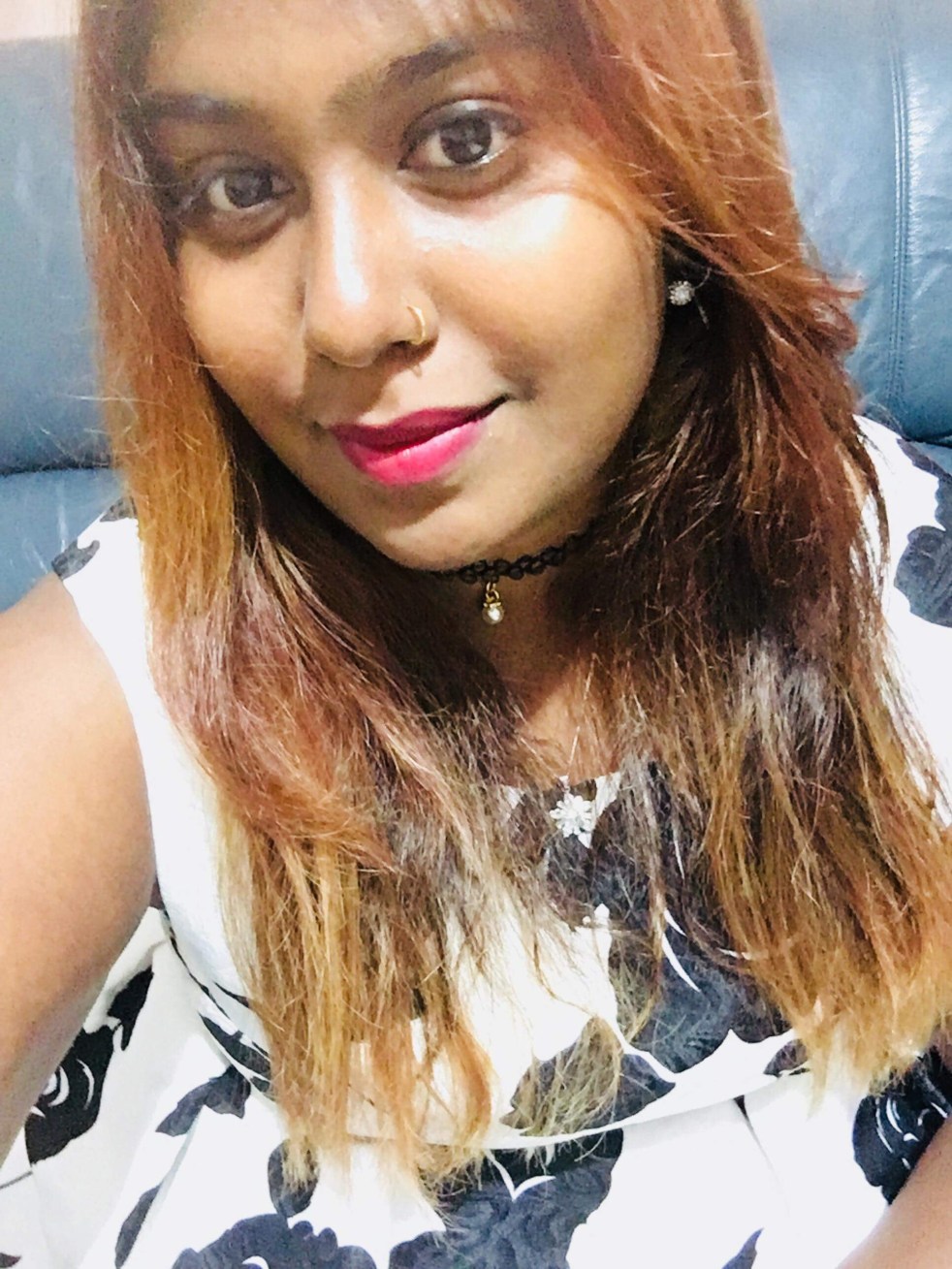
Meet our featured beauty with brains Santhiya Subramaniam, a 22 year old wellness coach and a plus size model. Here is her story:

“I moved from Malaysia to Melbourne in July 2016. I didn’t know too many people. I started a very small home based boutique selling Indian dresses, accessories and party stuff. I first started to socialise with a group of ladies around November 2016 which motivated me to make more new friends and meet them in person.

Then I started two different health and wellness networking businesses. It made me change my food habits and as well as the way I looked after my skin and body. I felt really good both mentally and physically. My social and networking group is increasing day by day.
I have always loved to support all kind of businesses and events. I did a few plus size modeling shoots but I did lose a lot of weight compared to when I was younger and I’m healthier now too.

I formed a group for people who want to lose weight in a healthy way and I started getting clients. I gave them diet charts. They gave me honest feedback. I have made a lot of beautiful and lovely friends this way.

My motto is be genuine and kind. You will get to enjoy your beautiful life more with a healthy lifestyle. ”

We asked her a few questions on weight loss.

1. What is more important, the amount of calories or the type of calories you consume in a day?

I’m not a professional nutritionist but I have done a lot of research regarding how different types of food affect our weight and I feel both the type and amount of calories matter. Regarding type of calories, it’s better to get your calories from natural food like fresh fruits and vegetables rather than from processed food, white bread or rice.

Regarding amount of calories, here is a guideline:

a) Two eggs with yolk per day is a good amount.

b) More than 2 tablespoons of sugar a day isn’t good. Cut down the amount of sugar you have with tea/coffee. Avoid them or have them without sugar or with 50% less sugar than you usually have.

c) If you had chicken for lunch avoid having it again for dinner.

d) If you usually eat rice often, avoid having it many times in a week. Either cut down the amount or try brown rice.

2. Is fasting a good way to cut calories?
No ! Do not fast. I would not recommend it at all !!!

3. Any tips on how someone can stay motivated while trying to lose weight?

He/she can join fitness groups on Facebook and share their experiences. That way they can motivate each other.

4. What is your advice to those who want to start losing weight?

Start by eating healthy food like fruits and vegetables more than your usual amount. Cut down sugar, fast food and processed food. Walking is great for weight loss. That way you can start losing weight even without joining a gym.

Vitamin Sea

76D3810A-8675-4584-8DC2-6BDAD5D46470

“I find the ocean strangely therapeutic. It’s as if I share a deep spiritual connection with it. It could be because I practically grew up on the ocean. My dad was a marine engineer and me and my mom travelled with him on ships for years. Whenever I felt lonely or upset about something I would just stare at the ocean and eventually the sight of the shimmering blue expanse and the smell of the salty sea air would make me feel better. Even today, staring at the ocean refreshes me, relieves my stress and gives me peace. It’s vastness make me realise how small my problems are,  compared to the bigger issues of the universe.

Research shows that the ocean has many healing properties. Sea water contains minerals needed by your body to heal and detoxify. It heals wounds, reduces infection and promotes pain relief. Conditions such as arthritis, psoriasis and depression are said to improve by swimming in the ocean. I would definitely prescribe vitamin sea to everyone. If you don’t live near the ocean, you can still enjoy its benefits by adding Epsom salts to your bath, using Himalayan salt lamps or visualising that you are on a beach while doing yoga or meditation.” – Tiya Gorain.


Benefits of Journaling

IMG_6164.JPG

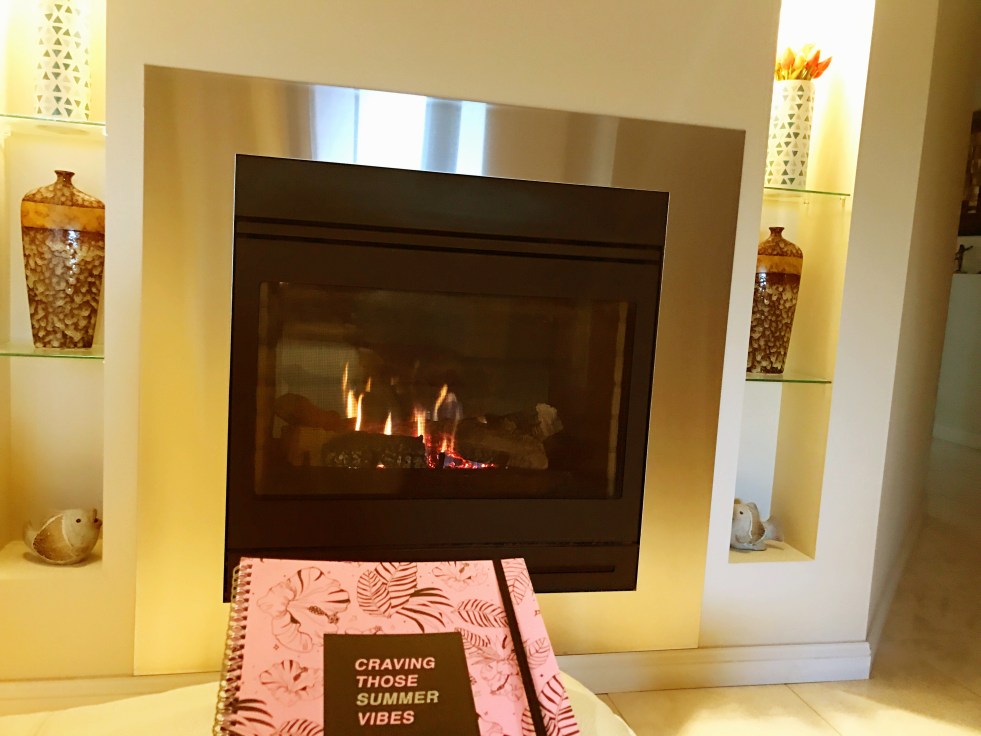
Winter evenings often find me in front of the fireplace, writing in my journal. I like journaling on busy days as it forces me to pause, take a breath and think about the day. It’s a mindful activity that I enjoy.

Here are some benefits of Journaling:

1. It reduces stress. Writing down our negative thoughts, fears and frustrations help us de-stress as it acts as a form of release. When we are putting our anxieties and disappointments on paper, we are less likely to internalise them.

2. It promotes creativity. Expressing our thoughts and ideas on paper enhances our imagination and improves our creativity. It awakens our inner voice and provides insights.

3. It can sometimes help in solving problems. Writing about our problems often offers a different perspective on them and hence helps us to come up with a solution. Also journaling helps us to tap into our intuition, thus providing answers to questions.

4. It can help you lose weight. Keeping track of our diet in a journal often motivates us to eat healthier. Also if we make a note of our mood before we had junk food, we will know what triggers us to reach for unhealthy food which in turn will help us in controlling such behaviour.